
Laparoscopic vs Open Surgery: Differences, Benefits, Recovery & Which Is Better?
When surgery is recommended, patients often want to know which approach is better: laparoscopic vs open surgery.
Laparoscopic surgery is a minimally invasive surgical technique that generally uses small incisions, a camera, and specialized instruments. Open surgery uses a larger incision to provide direct access to the surgical area.
The choice between laparoscopic and open surgery is not simply about choosing the newer technique. The most appropriate approach depends on the patient's condition, type of procedure, medical history, anatomy, previous surgeries, and the surgeon's clinical assessment.
If you are looking for laparoscopic surgery in Indore, understanding the differences between these two approaches can help you have a more informed discussion with your surgeon.
What Is Laparoscopic Surgery?
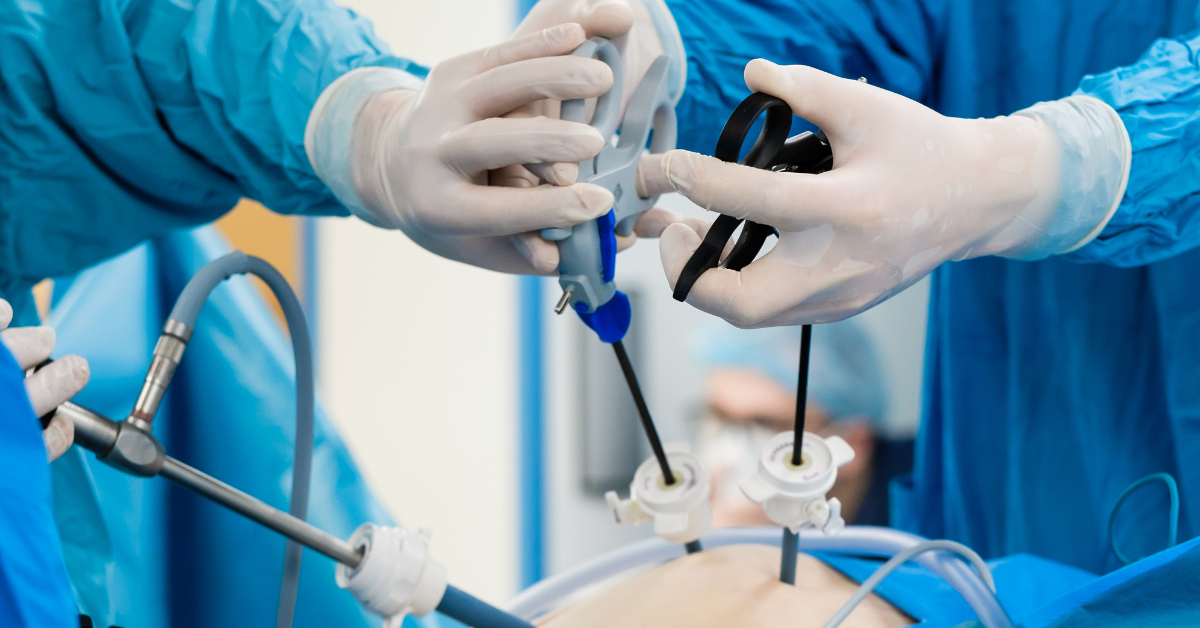
Laparoscopic surgery is a minimally invasive surgical approach in which the surgeon generally makes small incisions through which a camera and specialized surgical instruments are inserted. The camera provides an internal view of the area being treated, allowing the surgeon to perform the procedure using the instruments.
Depending on the condition and procedure, laparoscopic surgery may be used for selected abdominal and pelvic surgeries. The exact technique varies according to the procedure being performed.
What Is Open Surgery?
Open surgery involves making an incision that provides direct access to the area requiring treatment. The size and location of the incision depend on the type of surgery and the part of the body being treated.
Open surgery remains an important treatment option and may be recommended when it provides the most appropriate or safest approach for a particular patient.
Laparoscopic vs Open Surgery: Key Differences
The main difference between laparoscopic and open surgery is the way the surgeon accesses the treatment area.
| Factor | Laparoscopic Surgery | Open Surgery |
|---|---|---|
| Surgical access | Small incisions with camera and instruments | Larger incision for direct access |
| Incision size | Generally smaller | Generally larger |
| Visibility | Camera-assisted internal view | Direct surgical access |
| Scarring | Generally smaller scars | Usually larger scar |
| Recovery | May be shorter for selected procedures | May require longer recovery for some procedures |
| Suitability | Depends on condition and procedure | Suitable for many conditions, including cases where open access is preferred |
These are general differences. Actual outcomes and recovery vary from patient to patient.
What Are the Potential Benefits of Laparoscopic Surgery?
Smaller Incisions
Laparoscopic procedures generally use smaller incisions than traditional open surgery. Smaller incisions may result in smaller visible scars.
Less Tissue Disruption
The minimally invasive approach can involve less disruption of surrounding tissues in selected procedures.
Potentially Earlier Recovery
Some patients may recover sooner after minimally invasive procedures than after comparable open procedures. Recovery depends on the type and complexity of surgery, the patient's overall health, and other factors.
Potentially Shorter Hospital Stay
For some procedures, laparoscopic surgery may allow patients to leave the hospital sooner. This is not guaranteed and depends on the individual procedure and recovery.
Less Postoperative Discomfort in Some Cases
Some patients may experience less postoperative discomfort after minimally invasive surgery compared with comparable open surgery. Pain levels vary significantly between patients and procedures.
Does Laparoscopic Surgery Mean No Pain?
No. Laparoscopic surgery is minimally invasive, but it is still surgery. Patients can experience pain or discomfort after the procedure. The amount of discomfort depends on the procedure performed, individual pain tolerance, surgical technique, and overall health. Your surgical team can explain what to expect during recovery.
Is Laparoscopic Surgery Always Better Than Open Surgery?
No. There is no single surgical approach that is best for every patient. Laparoscopic surgery may be appropriate for selected patients and procedures, but open surgery may be recommended when:
- The condition is complex
- The surgical area requires greater access
- There is extensive disease
- Previous surgery has changed the anatomy
- Significant bleeding or complications occur
- The surgeon determines that open access is safer
- Laparoscopic surgery is not technically appropriate
The surgeon should choose the approach based on the patient's individual clinical situation.
When May Open Surgery Be Recommended?
Complex Disease
Some conditions require broader access to the surgical area.
Extensive Adhesions
Previous abdominal surgeries can sometimes result in adhesions that make minimally invasive access more challenging.
Emergency Situations
In certain emergencies, open surgery may be required depending on the patient's condition and the surgeon's assessment.
Surgical Safety
If the surgeon believes open access provides a safer or more effective way to perform the procedure, open surgery may be recommended.
How Is the Surgical Approach Decided?
The surgeon considers multiple factors before recommending laparoscopic or open surgery. These may include:
- Diagnosis and severity of the condition
- Location of the problem
- Previous surgeries and surgical history
- General health, age, and medical conditions
- Imaging and investigation results
- Complexity of the procedure
- Expected risks and benefits
The final decision should be made after an appropriate medical evaluation.
Laparoscopic Surgery Recovery
Recovery after laparoscopic surgery varies according to the procedure. Some patients may return to normal activities relatively quickly, while more complex operations may require a longer recovery period.
Immediately After Surgery
The medical team monitors the patient as the effects of anesthesia wear off. Depending on the procedure, patients may experience:
- Mild to moderate pain
- Abdominal discomfort
- Fatigue
- Temporary bloating
- Nausea
- Discomfort around incision sites
Your surgeon will provide specific postoperative instructions.
During the First Few Days
Patients are generally advised to follow their surgeon's instructions regarding wound care, medication, diet, physical activity, bathing, and follow-up appointments. Do not resume strenuous activity until your doctor advises that it is appropriate.
Returning to Normal Activities
The timeline depends on the type of operation and individual recovery. A simple laparoscopic procedure may have a different recovery period from a major abdominal operation. Your surgeon should provide an individualized recovery timeline.
Open Surgery Recovery
Recovery following open surgery can also vary considerably. Because open procedures generally involve a larger incision, some patients may experience more postoperative discomfort, longer wound healing, greater activity restrictions, or a longer recovery period. Actual recovery depends on the procedure, the patient's health, and whether complications occur.
Laparoscopic vs Open Surgery: Which Has Faster Recovery?
For some comparable procedures, laparoscopic surgery may be associated with a faster recovery than open surgery. However, this is not a guarantee. Recovery depends on the type of surgery, surgical complexity, patient's age and overall health, existing medical conditions, postoperative complications, and adherence to medical instructions. A major laparoscopic procedure may still require significant recovery time.
Is Laparoscopic Surgery Safe?
Laparoscopic surgery is widely used for many procedures and can be appropriate for selected patients. Like all surgical procedures, it carries potential risks.
- Bleeding
- Infection
- Injury to surrounding structures
- Reactions to anesthesia
- Blood clots
- Conversion to open surgery
- Procedure-specific complications
The risks depend on the individual operation and the patient's medical condition. Your surgeon should explain the expected benefits, risks, alternatives, and possible complications before surgery.
Can Laparoscopic Surgery Be Converted to Open Surgery?
Yes. In some cases, a laparoscopic procedure may need to be converted to open surgery when continuing laparoscopically becomes less safe or technically difficult.
Possible reasons include unexpected bleeding, extensive adhesions, difficult anatomy, unexpected disease severity, or inability to safely complete the procedure laparoscopically. Conversion is not necessarily a complication; in some situations, it is a safety decision made by the surgical team.
Common Conditions That May Be Treated Using Laparoscopic Techniques
Laparoscopic techniques may be used for selected surgical conditions. Depending on the surgeon, hospital, and patient's condition, these may include certain:
- Gallbladder conditions
- Hernias
- Appendix-related conditions
- Abdominal conditions
- Other general surgical conditions
Not every patient with these conditions is automatically suitable for laparoscopic surgery. The recommended approach depends on clinical evaluation.
Laparoscopic Surgery in Indore
Patients searching for laparoscopic surgery in Indore should consider more than whether a hospital offers minimally invasive procedures. Before choosing a hospital, consider:
- Availability of a qualified surgical team
- Relevant surgical facilities
- Diagnostic support
- Operation theatre facilities
- Anesthesia support
- Emergency and critical-care support
- Postoperative monitoring and follow-up care
- Insurance or cashless support, where applicable
A hospital should be able to evaluate the patient and recommend the most appropriate surgical approach.
Preparing for Laparoscopic Surgery
If your surgeon has recommended laparoscopic surgery, follow the instructions provided before the procedure.
Medical Evaluation
Your doctor may review your medical history, medications, allergies, and previous surgeries.
Diagnostic Tests
You may need blood tests, imaging, or other investigations before surgery.
Medication Review
Tell your doctor about all medications and supplements you take. Do not stop prescription medicines unless your doctor instructs you to do so.
Fasting
Some procedures require fasting before anesthesia. Follow the exact instructions provided by your medical team.
Arrange Postoperative Support
Depending on the procedure, you may need someone to accompany you after discharge or assist you during the initial recovery period.
Questions to Ask Your Surgeon
- What is my diagnosis?
- Why do I need surgery?
- Is laparoscopic surgery suitable for me?
- What are the benefits and risks of each approach?
- Why are you recommending this particular approach?
- How long might recovery take?
- How long might I need to stay in the hospital?
- What restrictions will I have after surgery?
- What complications should I watch for?
- Could the procedure need to be converted from laparoscopic to open surgery?
Understanding these questions can help you make an informed decision with your doctor.
When Should You Contact Your Doctor After Surgery?
Contact your medical team if you experience concerning symptoms such as:
- Increasing or severe pain
- Persistent fever
- Increasing redness or swelling around the incision
- Pus or unusual discharge
- Persistent vomiting
- Difficulty breathing
- Heavy bleeding
- Other symptoms your surgical team has advised you to report
For severe or potentially life-threatening symptoms, seek emergency medical attention.
Laparoscopic Surgery at Unique Super Speciality Hospital, Indore
Unique Super Speciality Hospital provides laparoscopic surgical care in Indore. Patients can consult the surgical team to understand their diagnosis and whether a minimally invasive approach is appropriate for their condition.
The hospital also provides multiple medical and surgical services, including:
- Cardiology
- Orthopedics
- Robotic Joint Replacement
- Spine Surgery
- Laparoscopic Surgery
- ICU & Critical Care
- General Medicine
- Diagnostic Services
- Cashless Mediclaim Services
The appropriate treatment and surgical technique are determined after clinical evaluation.
Read our guide to the Best Multispeciality Hospital in Indore to learn about specialties and healthcare facilities available at Unique Super Speciality Hospital.
Frequently Asked Questions
1. What is the difference between laparoscopic and open surgery?
Laparoscopic surgery generally uses small incisions, a camera, and specialized instruments, while open surgery uses a larger incision to provide direct access to the surgical area.
2. Is laparoscopic surgery better than open surgery?
Not always. Laparoscopic surgery may provide advantages for selected procedures, but open surgery may be more appropriate for certain patients or complex conditions.
3. Is laparoscopic surgery less painful?
Some patients may experience less postoperative discomfort after laparoscopic surgery compared with comparable open procedures, but pain varies depending on the surgery and individual patient.
4. Does laparoscopic surgery have a faster recovery?
For some procedures, laparoscopic surgery may allow a faster recovery than open surgery. The actual recovery period depends on the procedure, patient health, and whether complications occur.
5. Is laparoscopic surgery safe?
Laparoscopic surgery can be appropriate for many patients, but like all surgery, it carries potential risks. Your surgeon should explain the risks and benefits specific to your procedure.
6. Can laparoscopic surgery become open surgery?
Yes. A surgeon may convert a laparoscopic procedure to open surgery if it becomes safer or technically necessary to do so.
7. What conditions can be treated with laparoscopic surgery?
Laparoscopic techniques may be used for selected gallbladder, hernia, appendix, abdominal, and other general surgical conditions. Suitability depends on the individual case.
8. How long does it take to recover from laparoscopic surgery?
Recovery varies according to the procedure. Some patients recover relatively quickly, while major laparoscopic operations may require a longer recovery period.
9. How do I choose a laparoscopic surgeon in Indore?
Consider the surgeon's relevant qualifications and experience, the hospital's surgical and diagnostic facilities, emergency support, postoperative care, and whether the recommended procedure is appropriate for your condition.
10. Where can I get laparoscopic surgery in Indore?
Patients can consult a qualified surgical team at a hospital providing laparoscopic services. At Unique Super Speciality Hospital, patients can undergo evaluation to determine whether laparoscopic surgery is appropriate for their condition.
Conclusion
Understanding laparoscopic vs open surgery can help patients have a more informed conversation with their surgeon. Laparoscopic surgery uses a minimally invasive approach and may offer advantages such as smaller incisions and potentially faster recovery for selected procedures. Open surgery remains an important treatment option and may be recommended when greater access or a different surgical approach is clinically appropriate.
There is no universally “better” technique. The right approach depends on the patient's diagnosis, medical history, anatomy, procedure, and the surgeon's assessment. If you have been advised to undergo surgery, discuss the available options, expected benefits, risks, recovery, and alternatives with your treating surgeon.
About Unique Super Speciality Hospital, Indore
Unique Super Speciality Hospital
715–716, Vijay Syndicate, Annapurna Main Road,
Indore, Madhya Pradesh 452009
For appointments and enquiries: 0731-2799881-84
Book an AppointmentMedical disclaimer: This article is for general educational information and does not replace medical advice, diagnosis, or treatment. Consult a qualified healthcare professional for advice about your individual condition.