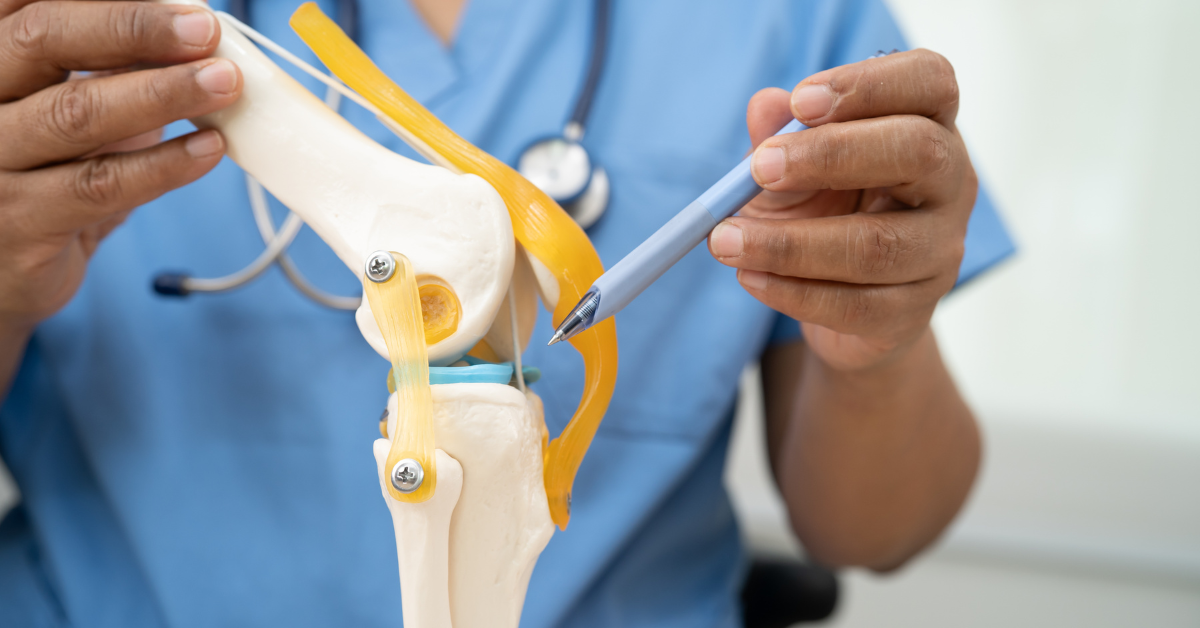
Knee replacement surgery can help people with severe knee damage regain mobility and improve their ability to perform everyday activities. Robotic-assisted knee replacement uses advanced technology to assist the surgical team with planning and positioning during the procedure.
However, surgery is only one part of the treatment journey. Robotic knee replacement recovery also depends on rehabilitation, physiotherapy, exercise, wound care, activity levels and the individual's overall health.
This guide explains what patients may generally expect during recovery after robotic knee replacement surgery and why following the treating surgeon's instructions is important.
What Is Robotic Knee Replacement?
Robotic-assisted knee replacement is a surgical approach in which computer-assisted technology and robotic systems help the surgical team plan and perform the procedure.
The technology can assist with:
- Pre-operative planning
- Assessment of the knee's alignment
- Surgical positioning
- Implant placement
- Intraoperative guidance
The exact technique used can vary depending on the patient's condition, the implant system and the surgeon's approach.
Robotic assistance does not mean that a robot independently performs the surgery. The procedure is performed by the orthopedic surgical team with robotic technology providing assistance.
How Long Does Robotic Knee Replacement Recovery Take?
Recovery is different for every patient. Many patients begin standing and walking with assistance soon after surgery, depending on their medical condition and the surgeon's rehabilitation protocol.
A general recovery pattern may look like this:
First Few Days
The initial focus is on:
- Pain management and controlling swelling
- Safe movement and getting out of bed
- Walking with assistance
- Beginning prescribed exercises
- Preventing complications
A physiotherapist may help the patient learn how to walk safely using a walker or other support.
Weeks 1–2
Patients generally continue:
- Walking with appropriate support
- Physiotherapy and knee mobility exercises
- Strengthening exercises as advised
- Wound care
- Gradual increase in daily activities
The amount of walking and exercise should be increased according to medical advice.
Weeks 3–6
During this stage, rehabilitation generally focuses on improving:
- Knee movement and leg strength
- Walking ability and balance
- Independence with everyday activities
Some patients may gradually reduce their dependence on walking aids, but this varies from person to person.
6–12 Weeks
Many patients continue to experience improvements in strength, mobility and confidence while walking. Some everyday activities may become easier, but complete recovery can take longer. Your surgeon and physiotherapist can provide a more appropriate timeline based on your individual progress.
Exercises After Robotic Knee Replacement
Exercise is an important part of rehabilitation after knee replacement. The physiotherapist may recommend exercises such as:
1. Ankle Pumps
Moving the feet up and down can help maintain circulation and may be introduced early after surgery.
2. Quadriceps Exercises
These exercises help activate and strengthen the muscles at the front of the thigh.
3. Straight Leg Raises
These may be introduced when appropriate to improve leg strength.
4. Knee Bending Exercises
Gradual knee-bending exercises can help improve range of motion.
5. Walking
Short, controlled walks can gradually be increased according to the rehabilitation plan.
Important: Exercises should be performed according to the instructions provided by the treating orthopedic surgeon or physiotherapist. Not every exercise is suitable at every stage of recovery.
Tips for a Better Knee Replacement Recovery
Follow Your Physiotherapy Plan
Regular rehabilitation is important for restoring movement and strength.
Increase Activity Gradually
Avoid trying to do too much too soon. Activity should generally be increased step by step.
Use Walking Support When Advised
A walker, crutches or other support may be needed initially. Stop using support only when your healthcare team considers it safe.
Take Medicines as Prescribed
Follow your doctor's instructions regarding pain medicines and other prescribed medications.
Take Care of the Surgical Wound
Keep the wound clean and follow the instructions provided by your medical team.
Maintain a Healthy Diet
Adequate protein, fluids and balanced nutrition can support recovery.
Keep Follow-Up Appointments
Regular follow-ups allow your orthopedic team to monitor healing, movement and overall recovery.
What Should You Avoid After Knee Replacement?
During the early recovery period, patients may be advised to avoid:
- High-impact activities
- Sudden twisting movements
- Excessive stair climbing
- Heavy lifting
- Unsafely increasing walking distance
- Exercises that cause significant pain
- Activities not yet approved by the treating team
The exact restrictions depend on the surgery and individual recovery.
Is Pain Normal After Knee Replacement?
Some pain, stiffness and swelling are common during the early recovery period. These symptoms should gradually improve as rehabilitation progresses. Pain that becomes severe, suddenly worsens or is associated with other concerning symptoms should be discussed with the treating medical team.
When Should You Contact Your Doctor?
Contact your healthcare provider promptly if you experience symptoms such as:
- Increasing or severe pain
- Significant swelling
- Fever
- Redness or discharge around the surgical wound
- Difficulty breathing or chest pain
- Sudden calf pain or swelling
- A significant deterioration in mobility
Some symptoms can indicate complications and require prompt medical assessment. Difficulty breathing or chest pain can be an emergency; seek emergency medical care immediately.
Robotic vs Conventional Knee Replacement
Both conventional and robotic-assisted knee replacement are established surgical approaches. Robotic assistance may provide additional technology for surgical planning and intraoperative guidance. Whether robotic-assisted surgery is appropriate depends on factors such as:
- Severity of knee damage
- Bone and joint condition
- Alignment
- Overall health
- Previous surgeries
- Surgeon's assessment
A consultation with an orthopedic specialist can help determine which approach may be suitable.
Why Rehabilitation Matters After Robotic Knee Replacement
Even with advanced surgical technology, recovery requires active participation from the patient. Physiotherapy can help with:
- Improving knee movement
- Building muscle strength
- Improving walking ability
- Restoring balance
- Returning gradually to daily activities
The recovery experience varies significantly between individuals, so comparing your progress directly with another patient's timeline may not be appropriate.
Robotic Knee Replacement Care in Indore
Patients considering knee replacement can discuss their symptoms, imaging reports, treatment history and surgical options with an orthopedic specialist.
At Unique Super Speciality Hospital, Indore, patients can seek orthopedic evaluation and discuss treatment options for knee and joint conditions, including robotic-assisted joint replacement where clinically appropriate.
The decision regarding surgery and the most suitable surgical technique should always be based on an individual medical assessment.
Frequently Asked Questions
1. How long does robotic knee replacement recovery take?
Recovery varies from patient to patient. Many patients gradually improve their walking, strength and knee movement over the first several weeks, while fuller recovery can take several months.
2. When can I walk after robotic knee replacement?
Many patients begin walking with assistance soon after surgery, depending on their health and the surgeon's rehabilitation protocol.
3. How long will I need a walker?
The duration varies depending on strength, balance, pain and mobility. Your physiotherapist or orthopedic surgeon can advise when it is safe to reduce walking support.
4. When can I climb stairs after knee replacement?
Stair climbing may be introduced during rehabilitation when the patient can do so safely. Your physiotherapist will guide you on the appropriate technique.
5. Are exercises necessary after knee replacement?
Yes. Prescribed physiotherapy and exercises are generally an important part of recovering knee movement and strength.
6. Can robotic knee replacement guarantee faster recovery?
No. Robotic assistance may support surgical planning and precision, but recovery depends on many factors, including the patient's health, rehabilitation and the surgical procedure.
7. When can I return to normal activities?
The timeline varies. Your surgeon can advise when specific activities such as driving, work, longer walks and exercise are appropriate.
8. Is robotic knee replacement suitable for everyone?
Not necessarily. Suitability depends on the patient's knee condition, medical history, imaging and the surgeon's assessment.
Related Information
- Robotic Joint Replacement Surgery
- Knee & Hip Replacement
- Orthopedic Hospital in Indore
- Best Multispeciality Hospital in Indore
- Laparoscopic vs Open Surgery
- Cashless Mediclaim Hospital in Indore
Need an Orthopedic Consultation?
Discuss your knee pain, mobility concerns and available treatment options with a qualified orthopedic specialist.
Unique Super Speciality Hospital, Indore
715–716, Vijay Syndicate, Annapurna Main Road, Indore, Madhya Pradesh 452009
Phone: 0731-2799881-84
Book an AppointmentDisclaimer: This article provides general educational information and is not a substitute for medical advice, diagnosis or treatment. Follow the instructions of your treating healthcare professional.